
Since its establishment in 1936, Heep Yunn School has upheld its Christian foundation while nurturing a community rooted in all-round education, integrity, and resilience, shaping generations of young women with a strong sense of purpose and commitment to service.
90 Years of Faith,
Strength, and Grace
Strength, and Grace
School History
1886
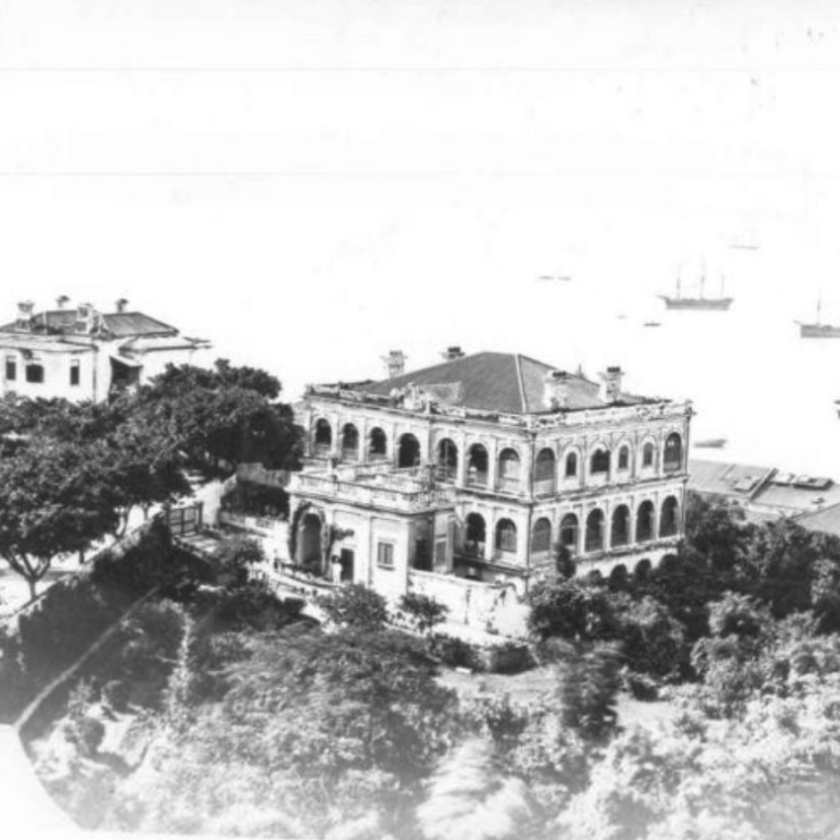
Ms. Margaret Johnstone, a missionary of the Female Education Society, founded Fairlea Girls’ School on Bonham Road (the present site of St. Paul’s College) to provide basic education for orphans, rescued servants, and daughters of Chinese Christians. With the support of the Anglican Church, the building was subsequently purchased, and Ms. Johnstone was appointed Headmistress of Fairlea Girls’ School.
1887
The Anglican Church established Victoria Home and Orphanage next to Fairlea Girls’ School on Bonham Road to provide shelter for homeless orphans and underprivileged girls.
1912
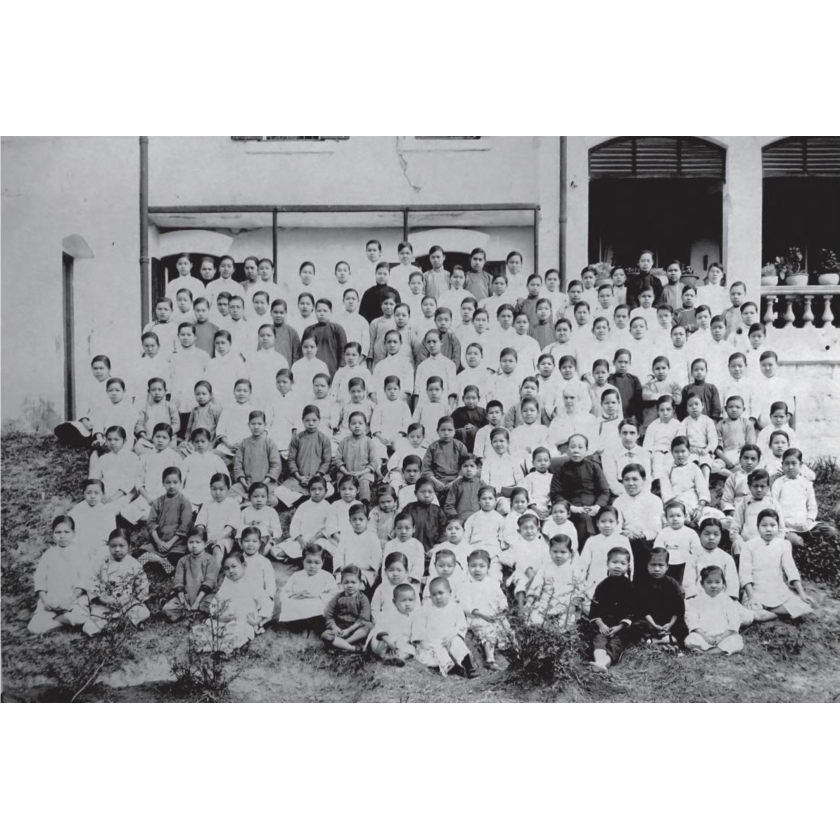
As the Anglican Church planned to establish St. John’s Hall on Bonham Road, Fairlea Girls’ School was relocated to Babington Path. (Note: Meanwhile, the premises of St. Stephen’s Girls’ College on Caine Road were damaged, and in 1918, the school moved into Fairlea’s premises on Babington Path. The two schools operated independently.)
1924
Fairlea Girls’ School and St. Stephen’s Girls’ College relocated to 2 Lyttelton Road and shared the same premises.
1886
1912
1930s
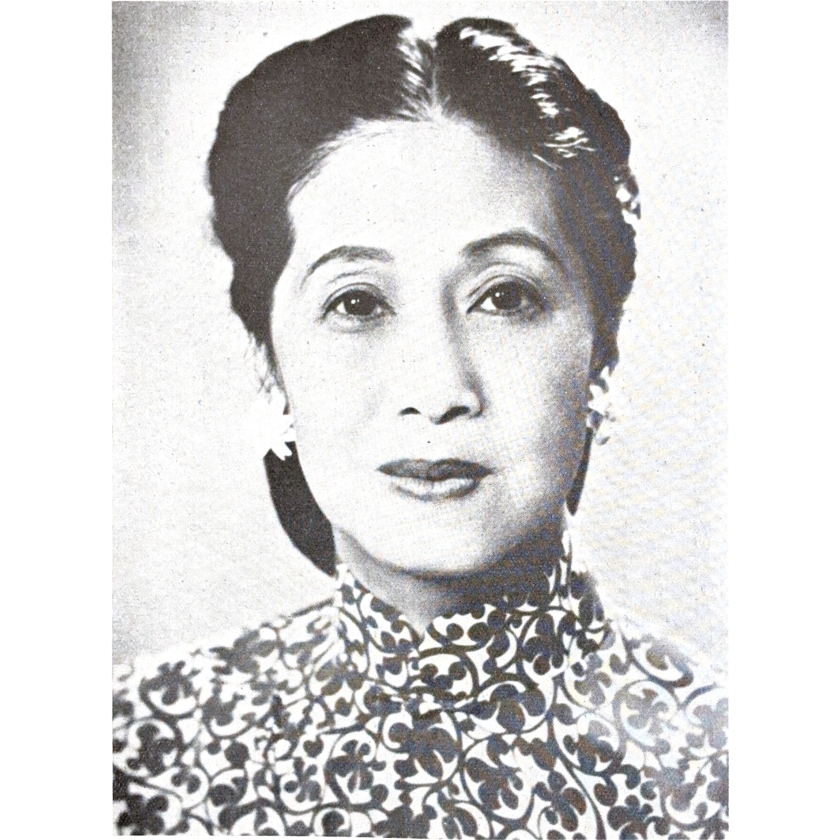
1936
The Appointment of the First Headmistress
By order of the Director of Education and the Anglican Diocese, Fairlea Girls’ School was amalgamated with the Victoria Home and Orphanage at Sung Wong Toi and named Heep Yunn School. The present site (1 Farm Road) was granted by the government for the construction of the school building. Mrs Cheung Chinn Yee Ching, then Headmistress of Fairlea Girls’ School, was appointed the first Headmistress of Heep Yunn School.
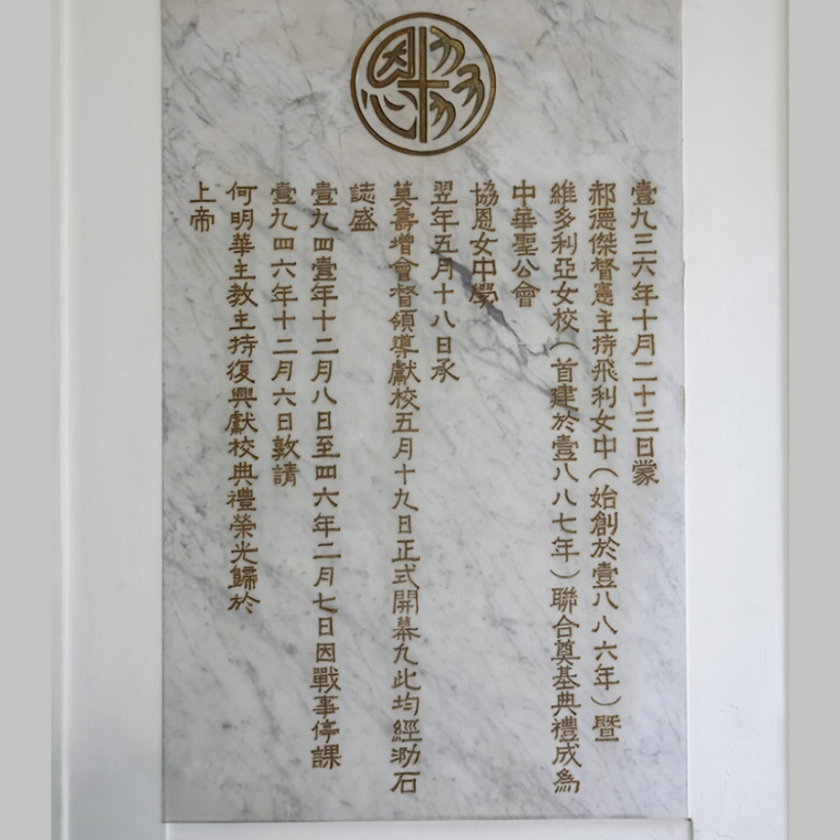
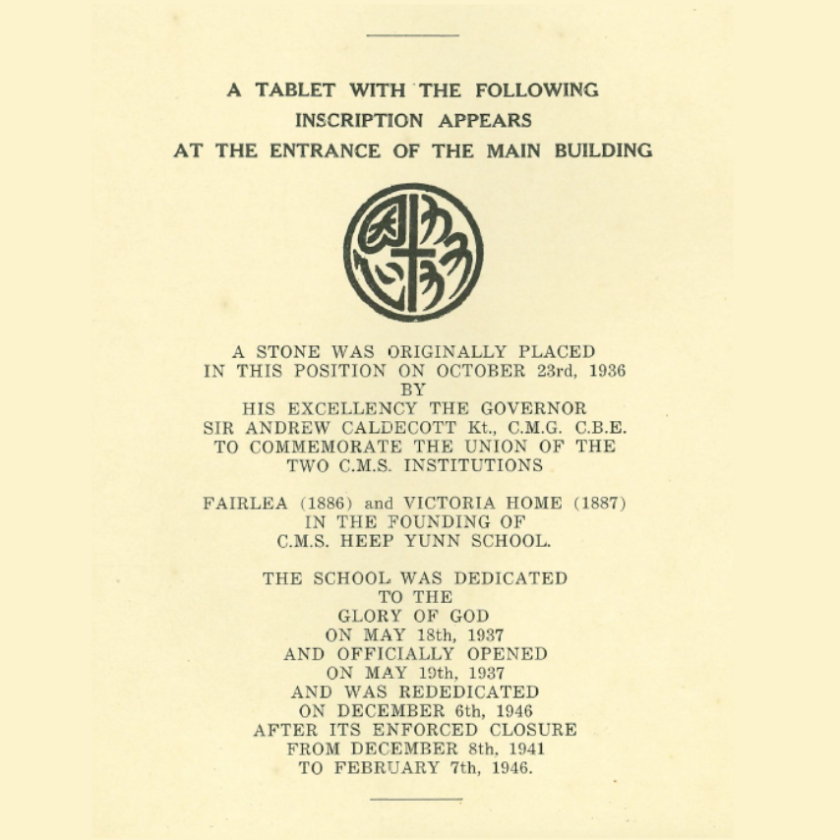
On 23 October, Sir Andrew Caldecott, then Governor of Hong Kong, laid the foundation stone.
1937
On 19 May, the Main Building was completed. The dedication service was officiated by Bishop Mok Sau Tseng, the first Chinese Anglican bishop in Hong Kong. Classes formally commenced under the Chinese-school “6-3-3” system. The school also admitted boarders, which accounted for about one third of the student body.
1938
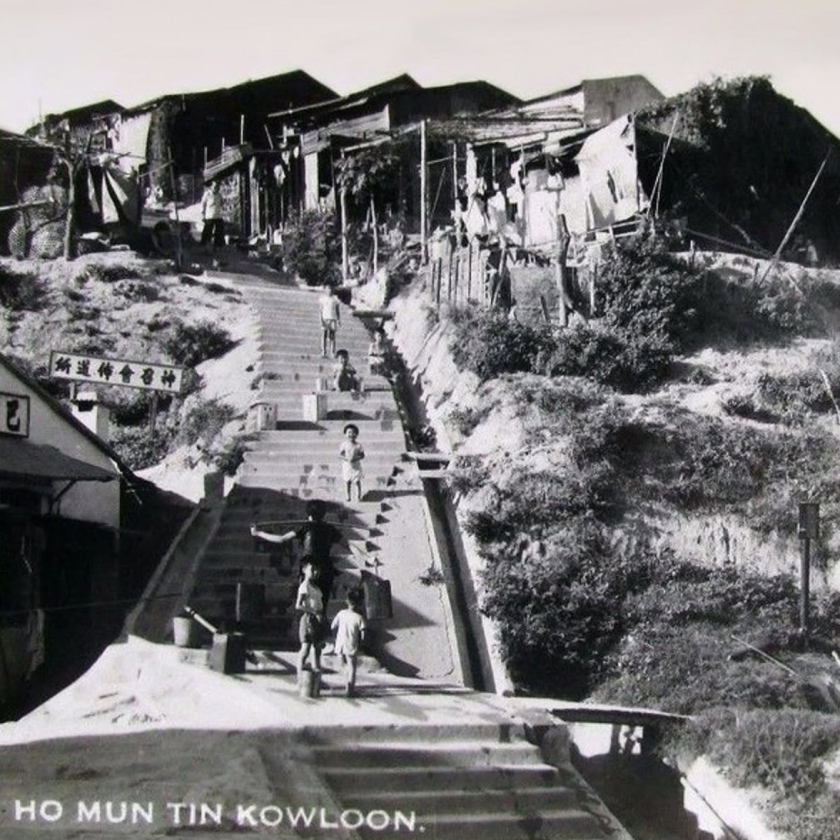
During the summer holidays, a free school was organised. Students served as volunteer teachers, teaching children living in the To Kwa Wan and Ho Man Tin districts.
1936
1937
1940s
1940
The work of the free school was expanded, with volunteer teaching activities held on Wednesday and Saturday afternoons.
1941
With the outbreak of the Pacific War and the fall of Hong Kong, the school was forced into suspension. The campus was occupied by the Japanese army and was used in turn as quarters for the Japanese Navy and Army.
1946
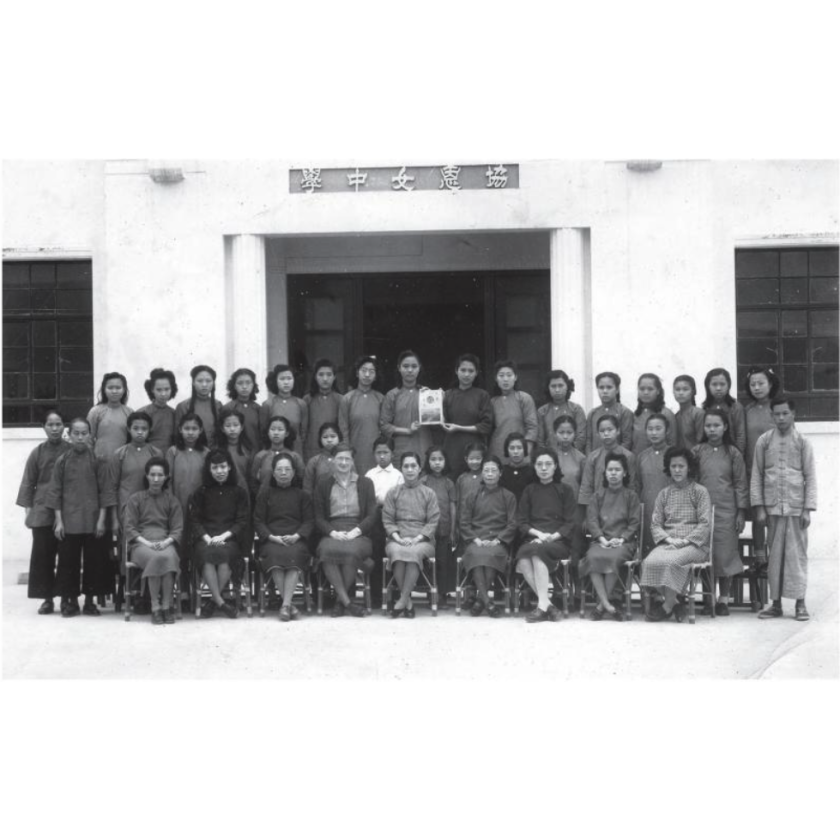
Upon Hong Kong’s liberation after the war, Headmistress Mrs. Cheung Chinn Yee Ching, together with Rev. Canon George She, negotiated with the British forces on 18 January, and the campus was returned to the school. The school officially resumed classes on 8 February, initially admitting a total of 309 boys and girls before later returning to a girls’ school.
1947
The school held its first post-war Speech Day after its reopening.
1948
The English stream was introduced in Upper Forms.
1949
The gymnasium was opened.
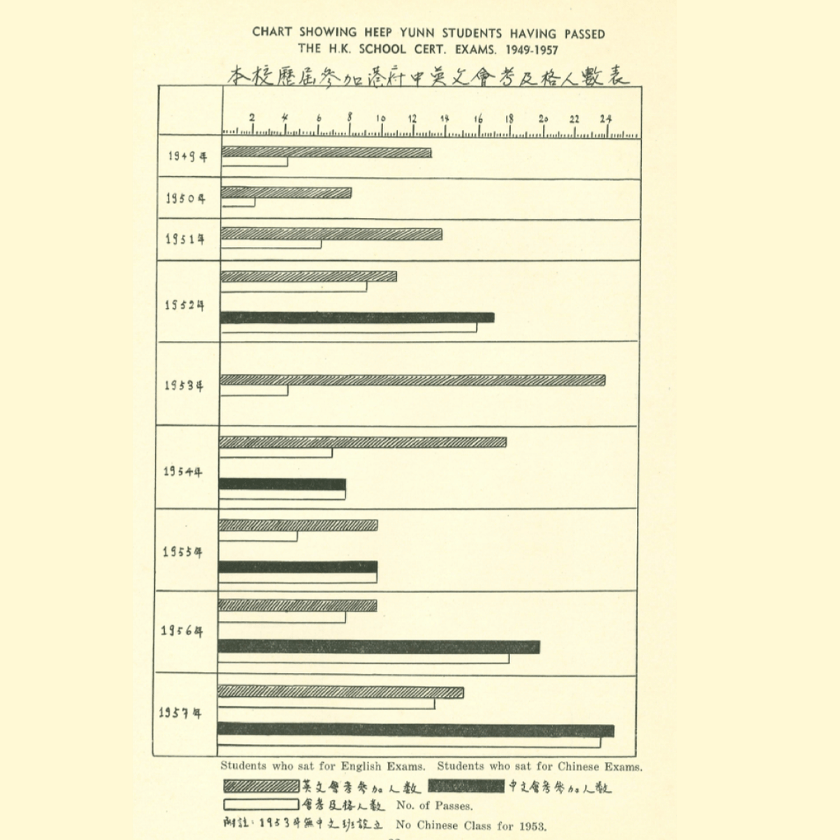
Senior Middle II English-stream students began sitting the Hong Kong School Certificate Examination.
The free school was resumed. The school allocated part of the day-school students’ donations to fund its operation. Students of the free school only needed to pay a deposit of 50 cents for admission. Around 40 students were enrolled in the early stage.
1946
1947
1949
1950s
1950
The double-stream system was formally implemented. From Junior Middle I onwards, students were divided into Chinese-medium and English-medium classes, with the arrangement extended annually, level by level.
1952
Senior Middle II Chinese-stream students began sitting the Hong Kong Chinese School Certificate Examination.
1953
The Christian Association was reformed and renamed ‘Heep Kwong Tuen’ (Light of Heep Yunn Fellowship).
1954
The double-stream system was implemented across all levels of the school.
1957
The Dedication of the Chapel of St. Clare of Assisi
The Chapel of St. Clare of Assisi was dedicated.
1958
The Appointment of the Second Headmistress
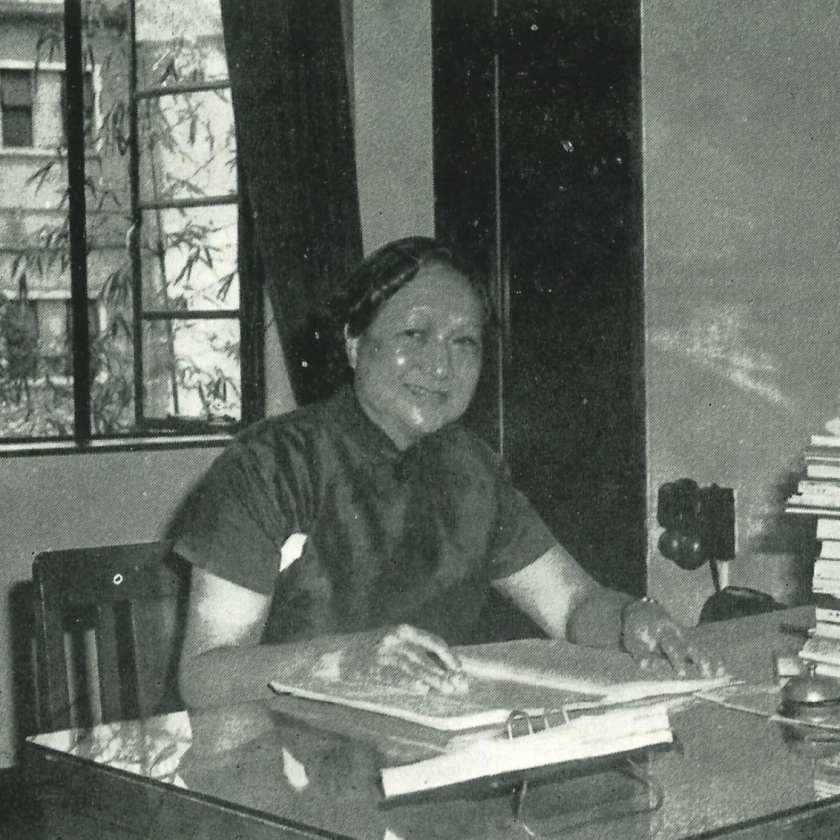
Mrs. Cheung Chinn Yee Ching retired after 22 years of heading Heep Yunn School. Mrs. Cheung Lo Pok Hing was appointed the second Headmistress.

1957
1958
1960s
1962
The squatter huts and shanty areas in Ho Man Tin were demolished, leading to a sharp decline in both attendance and enrolment at the free school for the public. (Note: The free school might have been discontinued in the 1960s, but no relevant documentary record has been found to date.)
1963
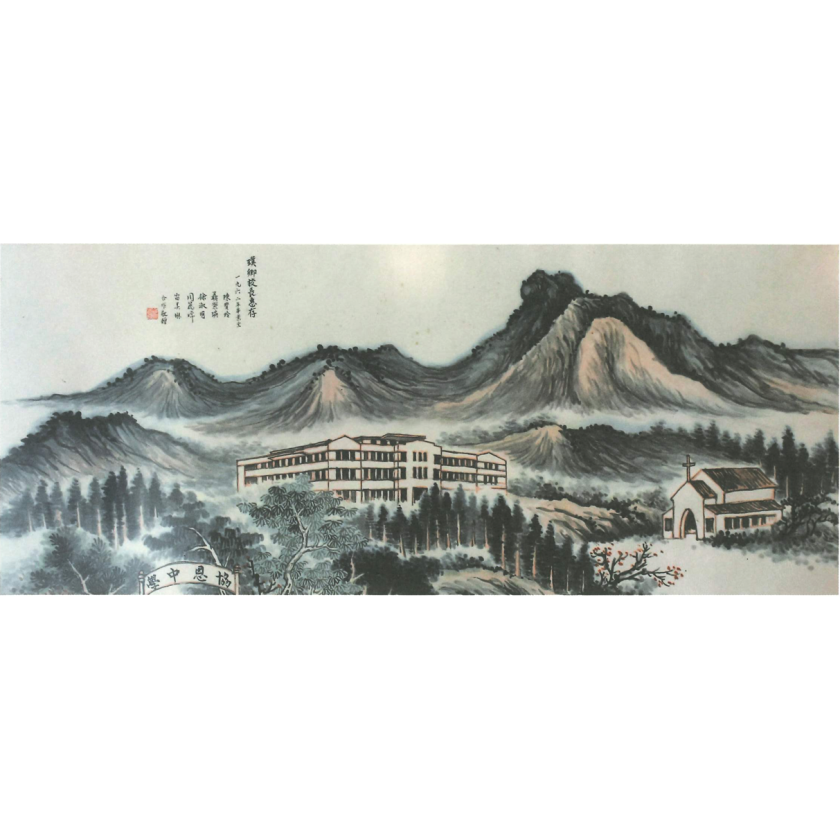
The school gradually transitioned into an English-medium secondary school and introduced Arts and Science classes in Form Six.
1965
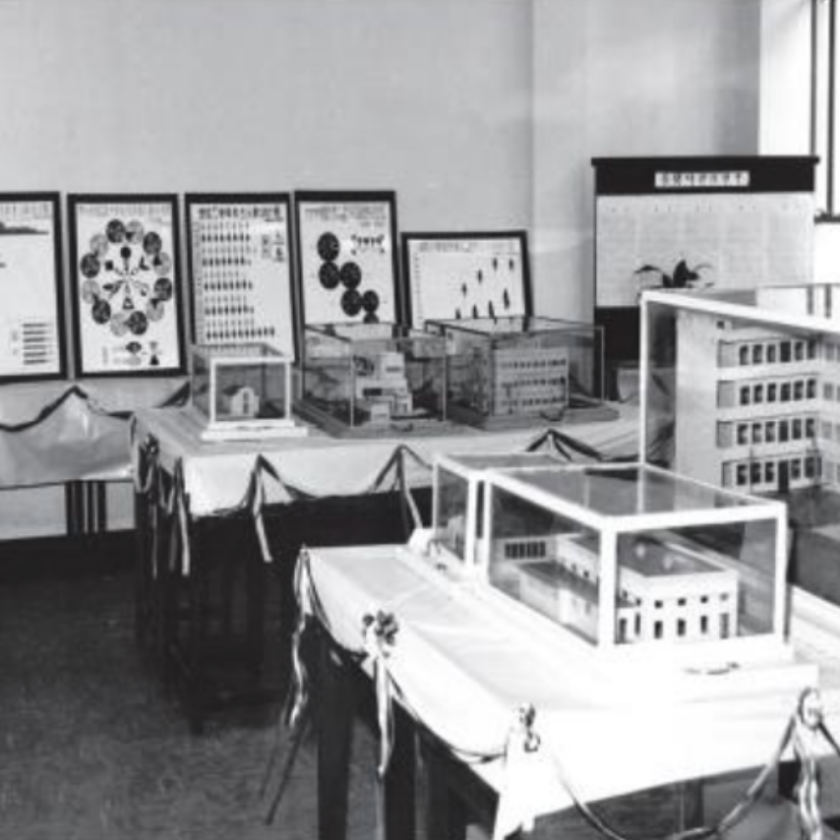
The expansion works for the School Hall and the Main Building were completed.
1966
The first cohort of Advanced Level graduates were admitted into the University of Hong Kong.
1962
1963
1965
1970s
1970
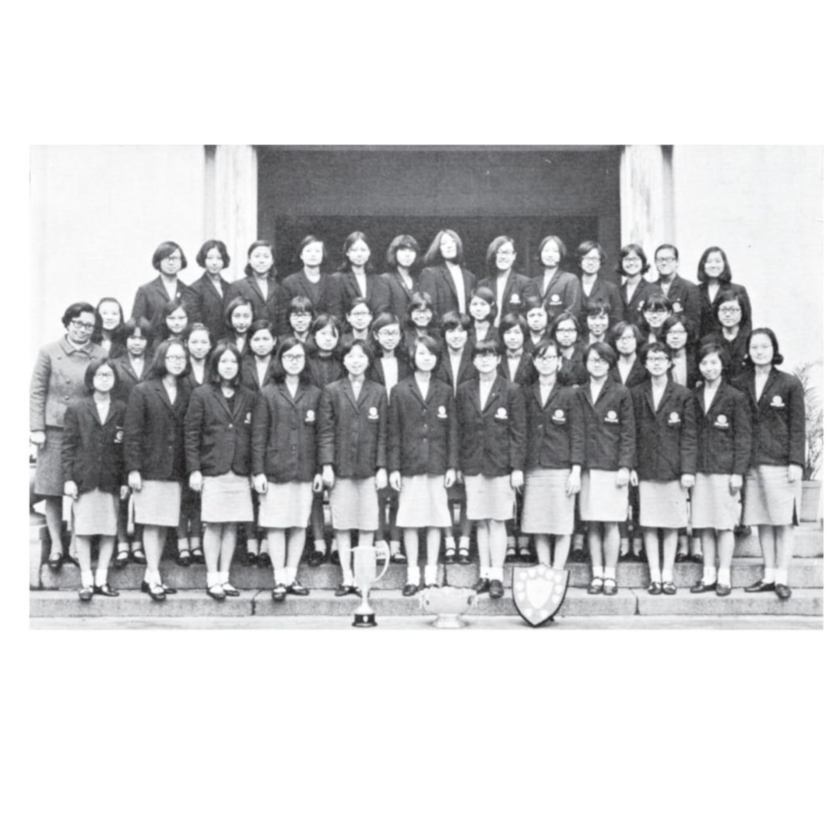
For the first time, the choir won the overall championship at the Hong Kong Schools Music Festival. Since then, the choir has won the Hong Kong Schools Music Festival championship and the Best Girls’ Choir award on various occasions.
1971
The library was opened.
1972
The hostel on the upper floors of the Main Building was closed.
To prepare students for admission to the Faculty of Social Sciences at the University of Hong Kong, a Social Science class was offered in Form Six. Together with the Arts and Science streams, there were a total of three classes.
1978
The Appointment of the Third Headmistress
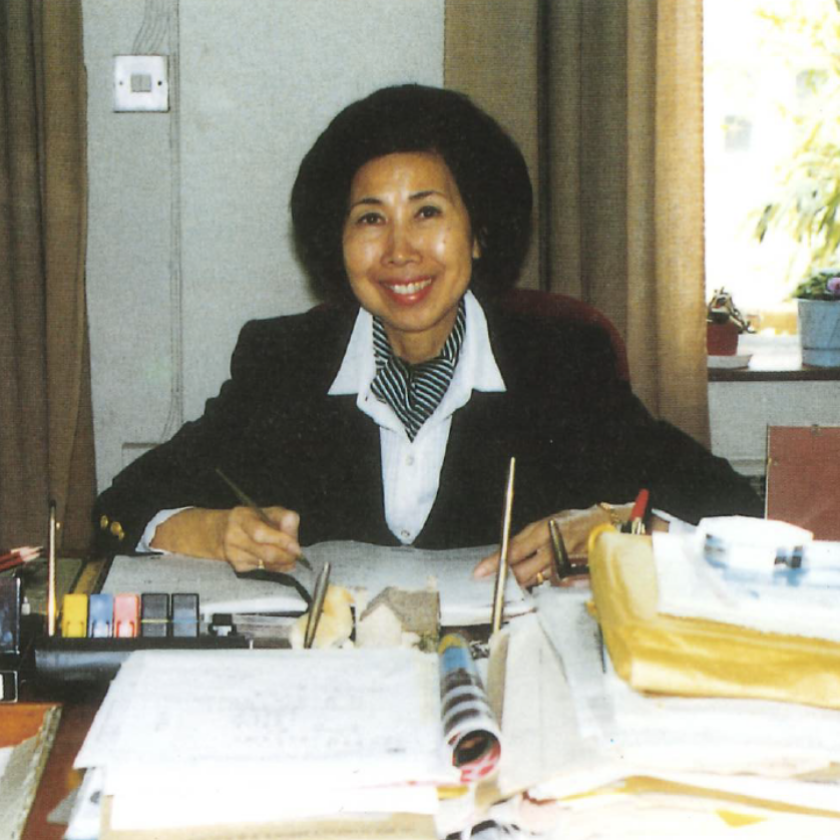
After serving as Headmistress for 20 years, Mrs. Cheung Lo Pok Hing retired. Mrs. Minnie Lai Wei Kit Lin was appointed the third Headmistress.
1970
1978
1980s
1981
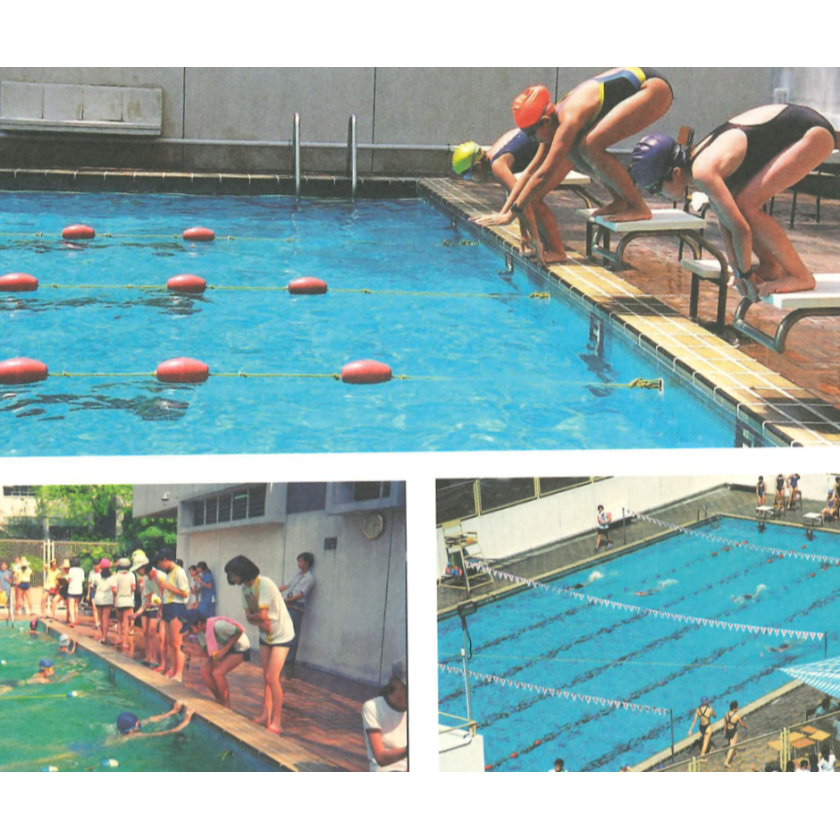
The 25-metre outdoor swimming pool was opened.
1983
Two tennis courts and one volleyball court were added to the campus.
1984
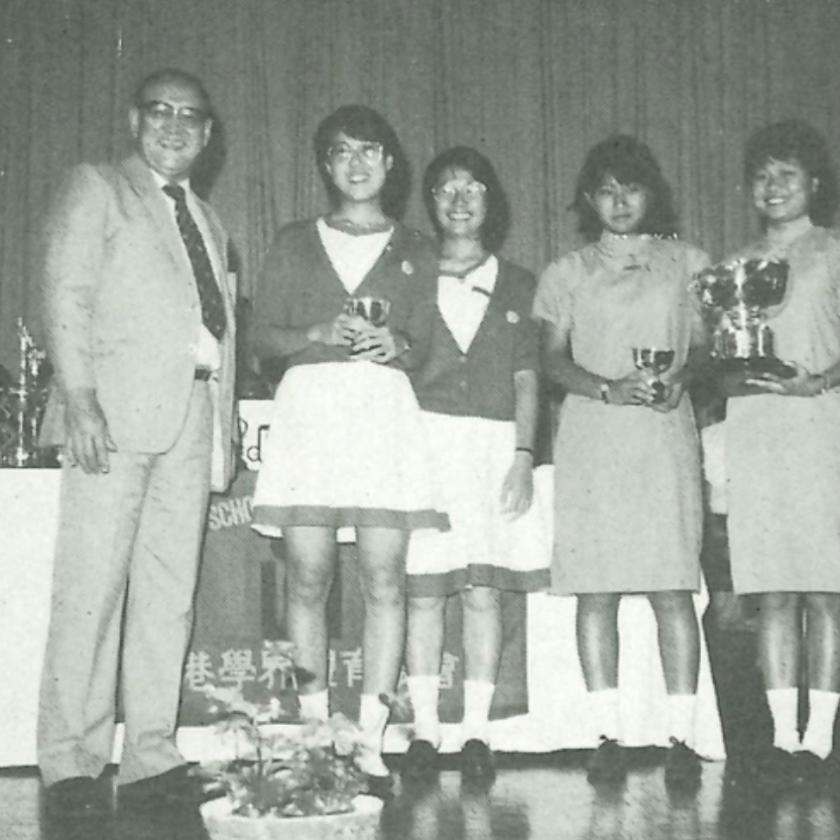
Clinching the Historic First Omega Rose Bowl
The school won the Omega Rose Bowl for the first time (renamed the Bank of China (Hong Kong) Bauhinia Bowl in 2002, and the Laurel Cup in 2026). Since then, the school has continuously clinched the overall championship in the Hong Kong Inter-School Division One girls’ category.
1986
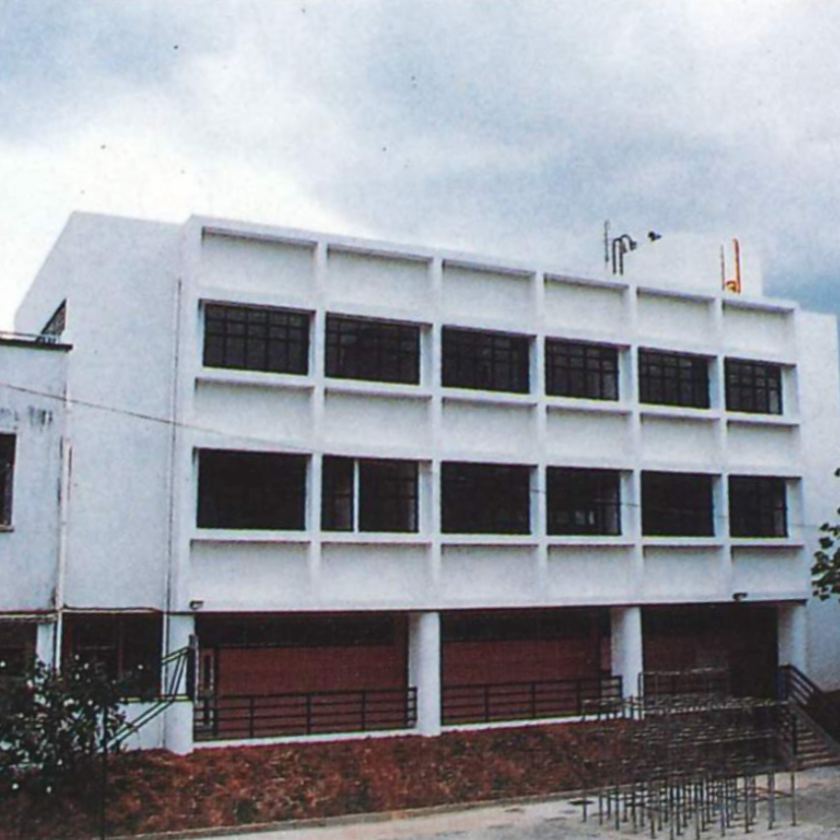
The Opening of the Jubilee Building
The Jubilee Building was opened.
1986
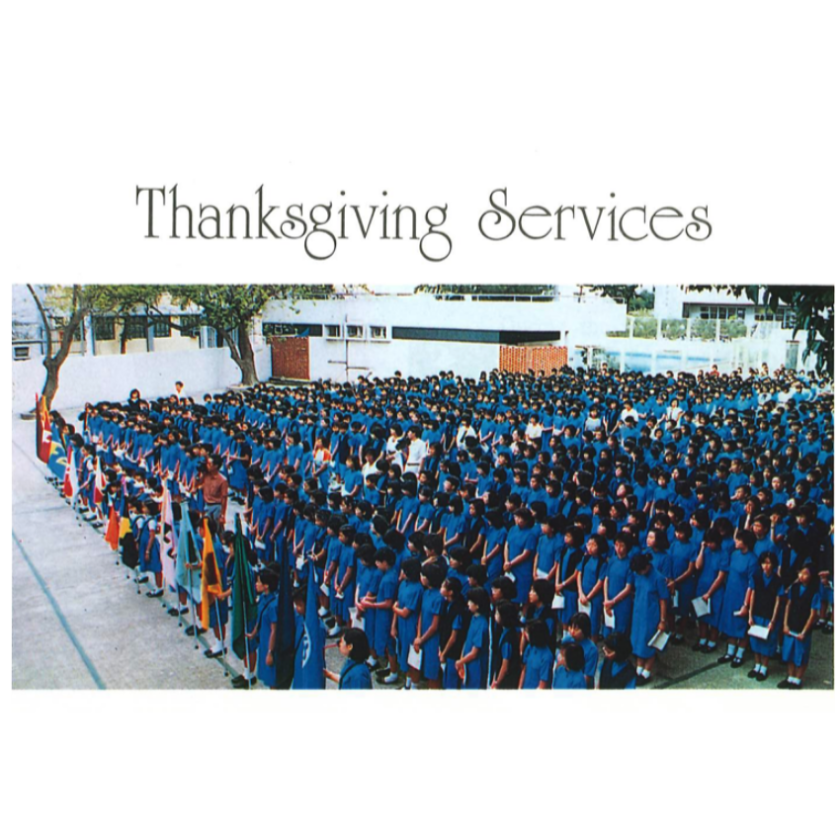
Celebrating the Golden Jubilee
To mark the school’s 50th anniversary, thanksgiving services were held at the school and St. John’s Cathedral on 23rd and 24th October, in addition to a two-day Golden Jubilee exhibition. A concert was held at Hong Kong City Hall. The Old Girls’ Association also assisted the school in organising the 50th anniversary dinner, with 41 tables.
1981
1984
1986
1986
1990s
1991
The English Debating Team won the championship of the Inter-school Debating Contest for the first time.
1994
For the first time, Heep Yunn School produced a top scorer in the Hong Kong Advanced Level Examination.
The library was expanded.
1996
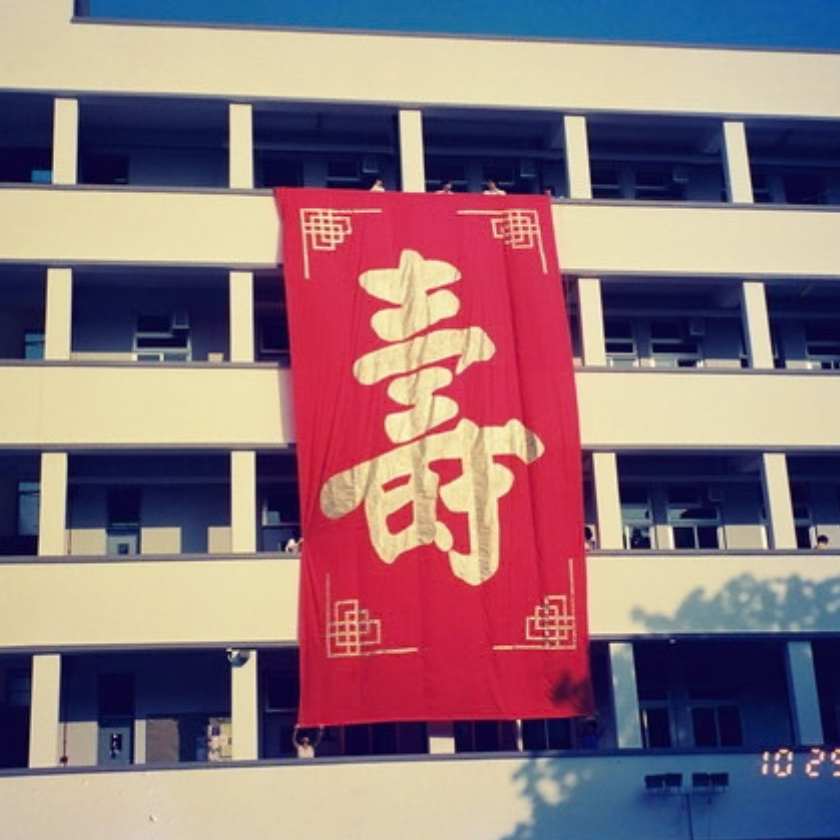
Celebration of the 60th Anniversary
To celebrate the school’s 60th anniversary, a concert was held at the Cultural Centre Concert Hall. The Student Association assisted the school in organising the “Diamond Jubilee Banquet”, with more than 80 tables set up on the tennis and basketball courts. Around 1,000 school managers, teachers and alumni attended, including the first cohort of boys admitted when the school resumed after the war.
1999
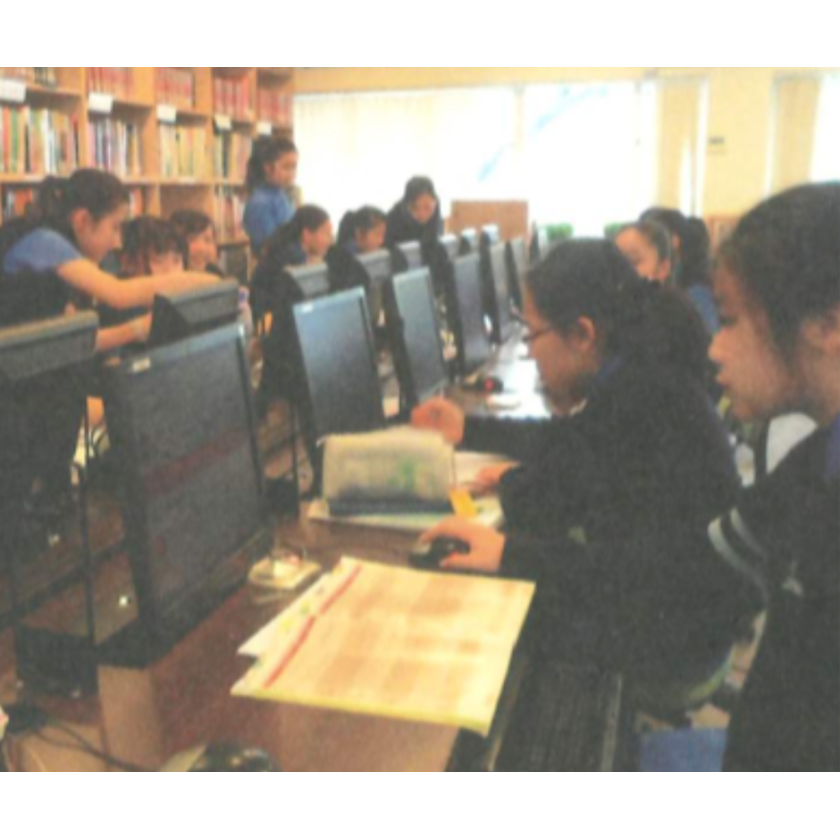
The school invested HK$2.5 million in the LAN system, installing 16 computers in the library and 72 computers in various special rooms.
1996
1999
2000s
2002
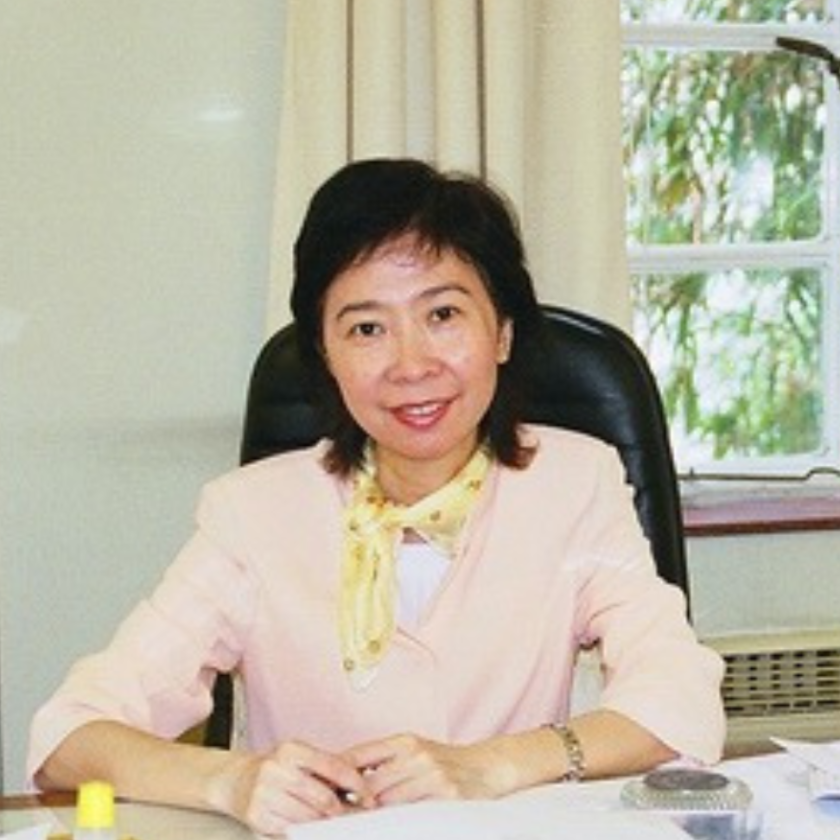
The Appointment of the Fourth Headmistress
Mrs. Minnie Lai Wei Kit Lin retired after 24 years of heading the school. Mrs. Clara Lau Li Kwok Kin was appointed the fourth headmistress.
2005
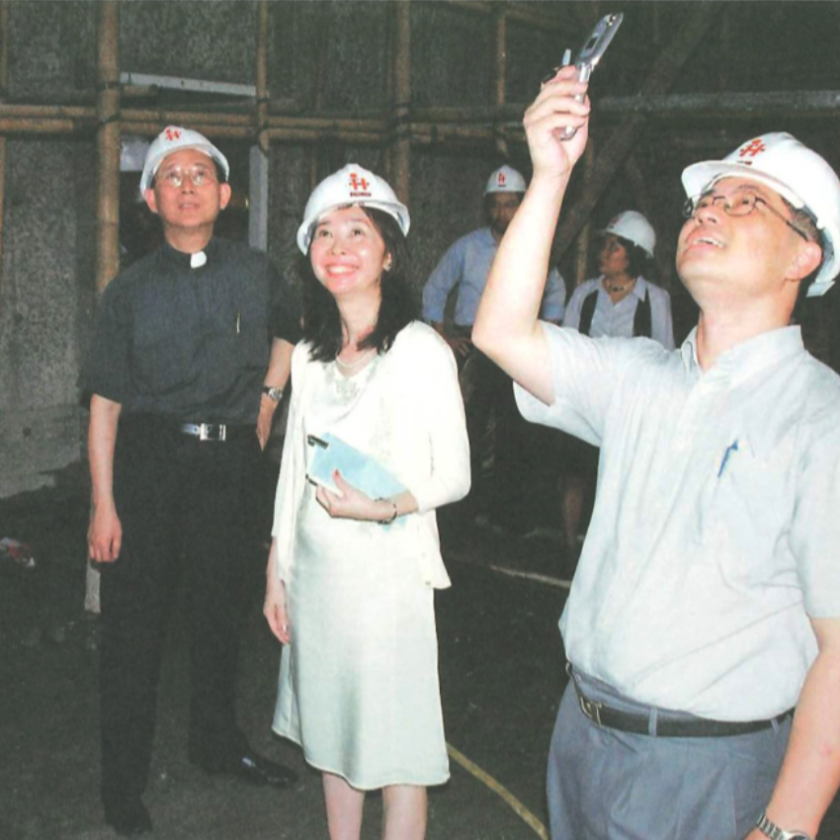
The School Improvement Project (SIP) building was opened. The building houses the Mrs. Winnie Man Sports Centre, the Mrs. Ip Lo Hing Yuen Student Activity Centre, a multimedia classroom and multiple classrooms. In addition, the Mrs. Minnie Lai Theatre was opened in the Jubilee Building.
The Chinese Debating Team won the first Chinese debating championship in the Joint-School Debating Competition. Since then, the Chinese Debating Team has won various debating competitions in Hong Kong and overseas.
2006
Celebration of the 70th Anniversary
To celebrate the school’s 70th anniversary, the drama production ‘The Muse of Spring’ was staged in March, the concert ‘Gloria’ was held at Sha Tin Town Hall in July, and a thanksgiving service and reunion dinner were held in October. After refurbishment, the library was renamed the Au Lam Shui Lan Memorial Library.
2008
Headmistress Mrs. Clara Lau Li Kwok Kin applied to the School Management Committee for one year of leave, and Vice-Principal Mr. Dave Lee Chun Hung served as Acting Principal.
2002
2005
2010s
2010
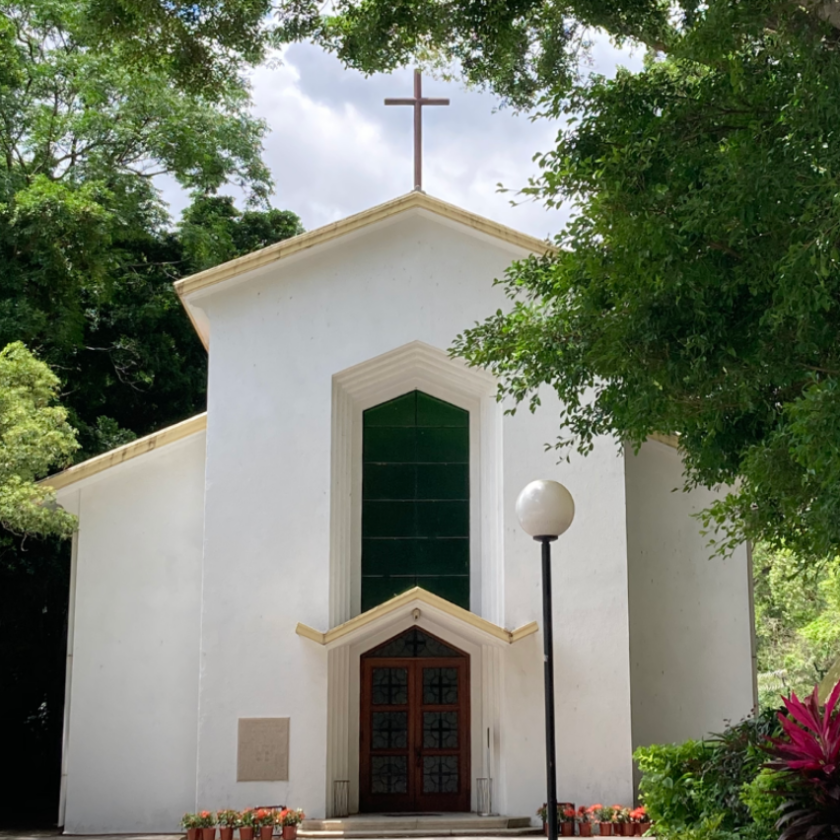
The Main Building and the Chapel of St. Clare of Assisi were officially graded as Grade III historic buildings in Hong Kong by the Antiquities Advisory Board.
2010
Several classrooms on the third floor of the Jubilee Building were converted into the Madam Chan Ma Hau Fung Lecture Theatre.
2011
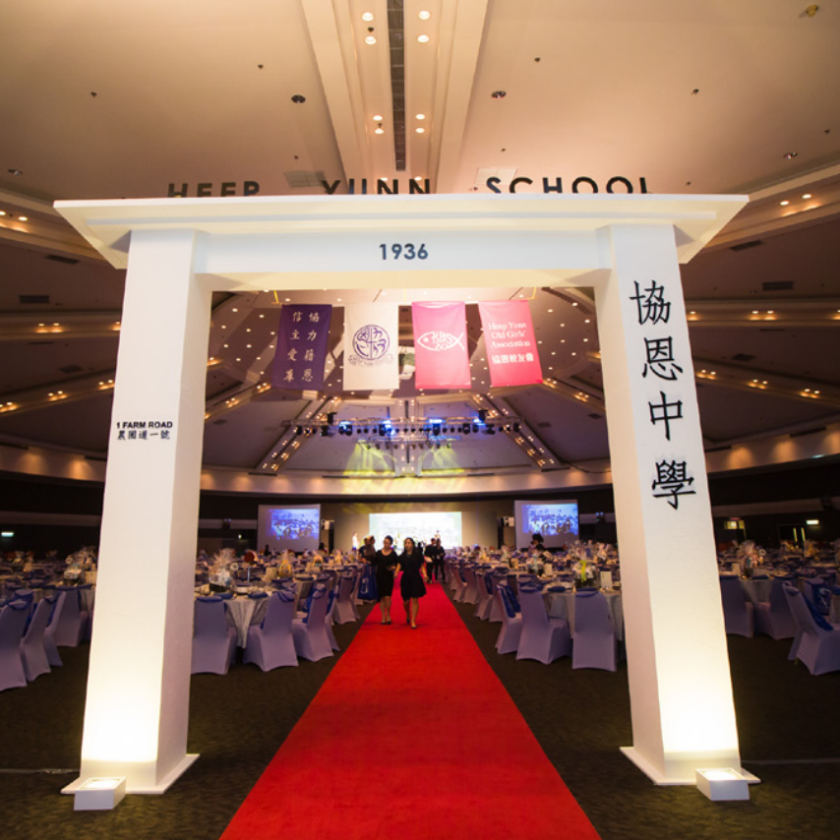
The Old Girls’ Association assisted the school in organising the 75th anniversary dinner at the Hong Kong Convention and Exhibition Centre.
2011
The Appointment of the Fifth Headmaster
After serving as Headmistress for nine years, Mrs. Clara Lau Li Kwok Kin retired. Mr. Dave Lee Chun Hung was appointed the fifth Headmaster, and was the school’s first male Principal.
2012
In September, the school changed from a grant school to a Direct Subsidy Scheme (DSS) school.
2014
For the first time, a Form Six student became a ‘Super Top Scorer’ in the Hong Kong Diploma of Secondary Education (HKDSE) Examination. Since then, students have attained ‘Super Top Scorer’ or top scorer results in the HKDSE on multiple occasions.
2016
The Appointment of the Sixth Headmistress
After serving as Headmaster for six years (including one year as Acting Principal), Mr. Dave Lee Chun Hung retired. Ms. Bella Leung Siu Yi was appointed the sixth Headmistress.
2016
The Main Building was renamed the Lau Cheung Suet Ming Building.
2016
Celebration of the 80th Anniversary
The Old Girls’ Association assisted the school in organising the 80th anniversary dinner at the Kowloon Bay International Trade & Exhibition Centre.
2018
The SIP Building was renamed the Mr. and Mrs. Au Shue Hung Building.
2018
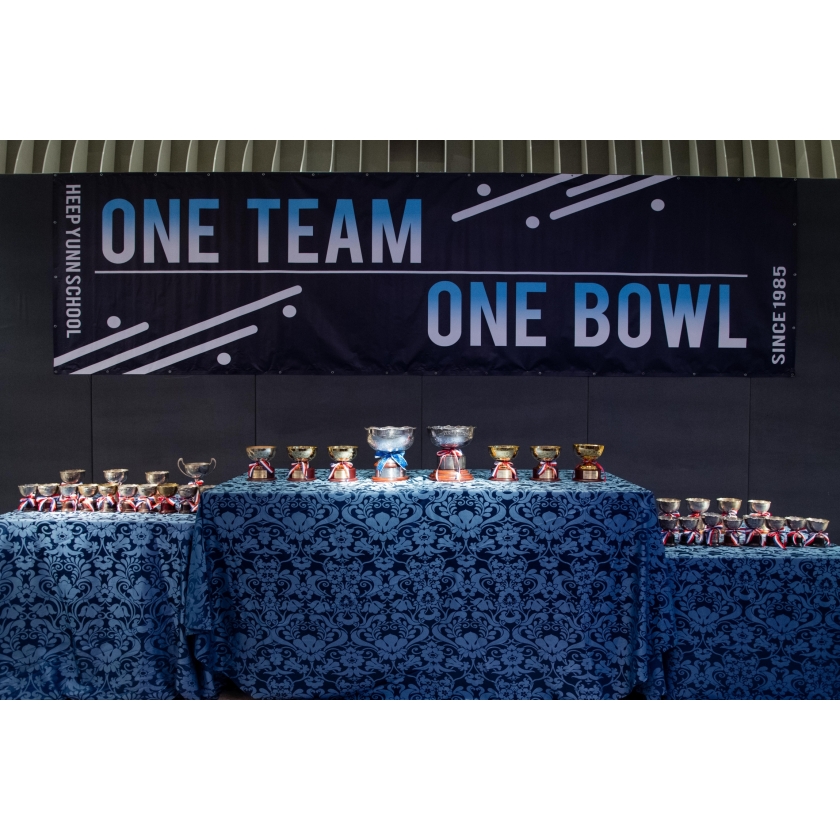
Winning the Division 1 Girls’ Championship for the 35th Consecutive Year
The School won the Hong Kong Sports Federation Division 1 Overall Girls’ Championship for the 35th consecutive year.
2010
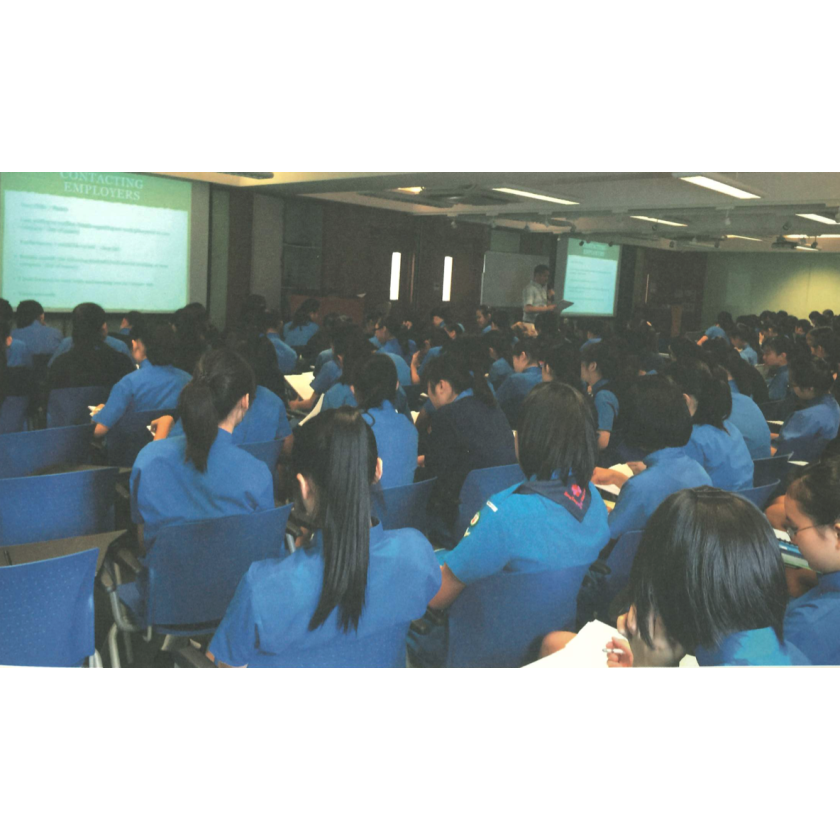
2010
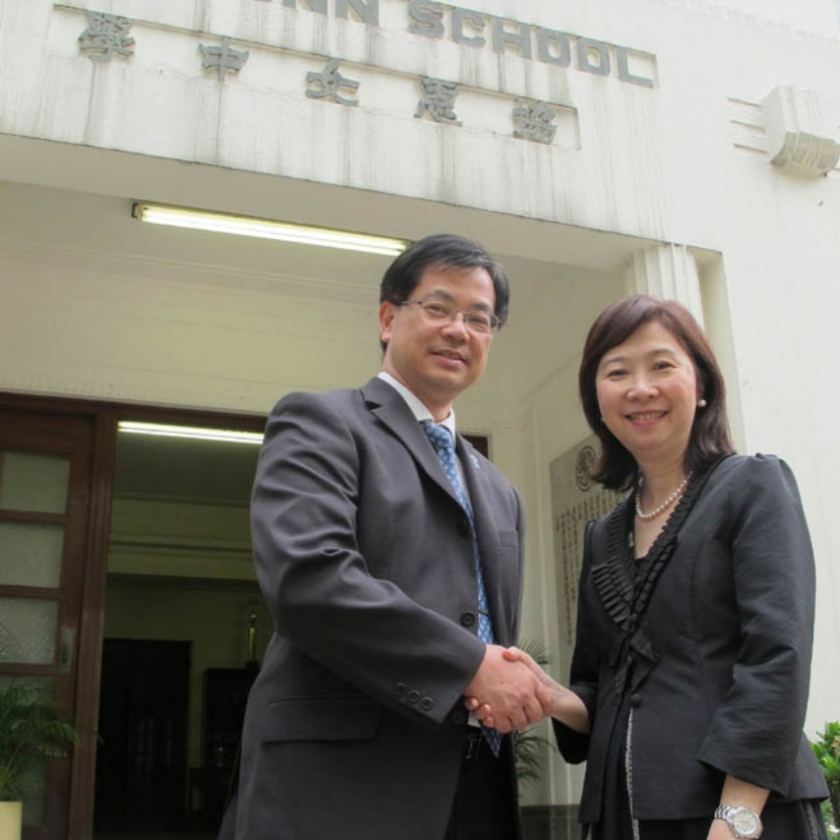
2011
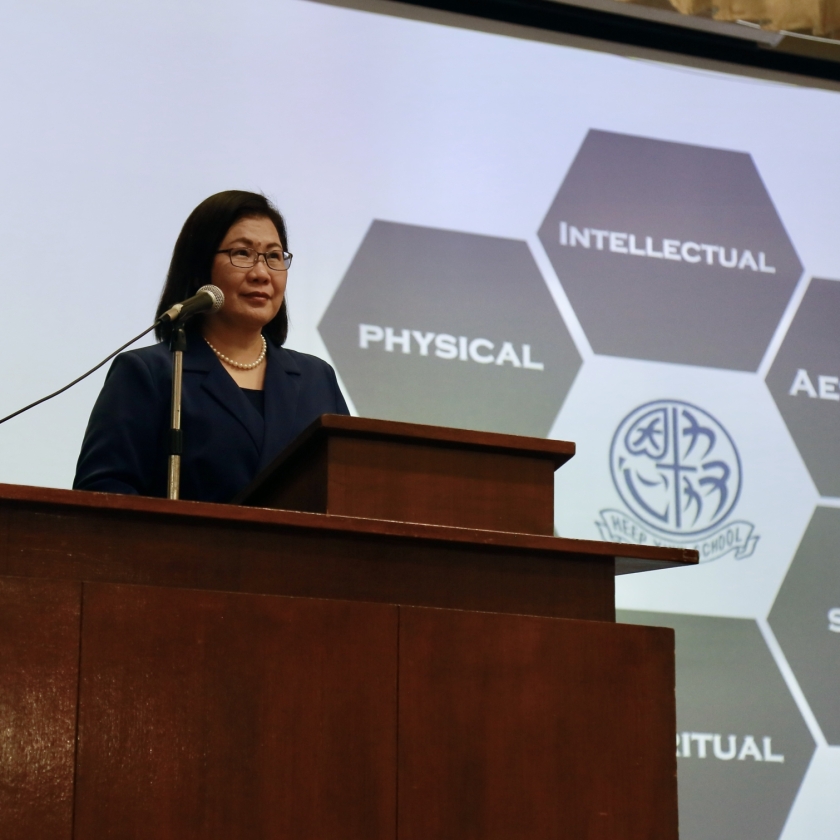
2016
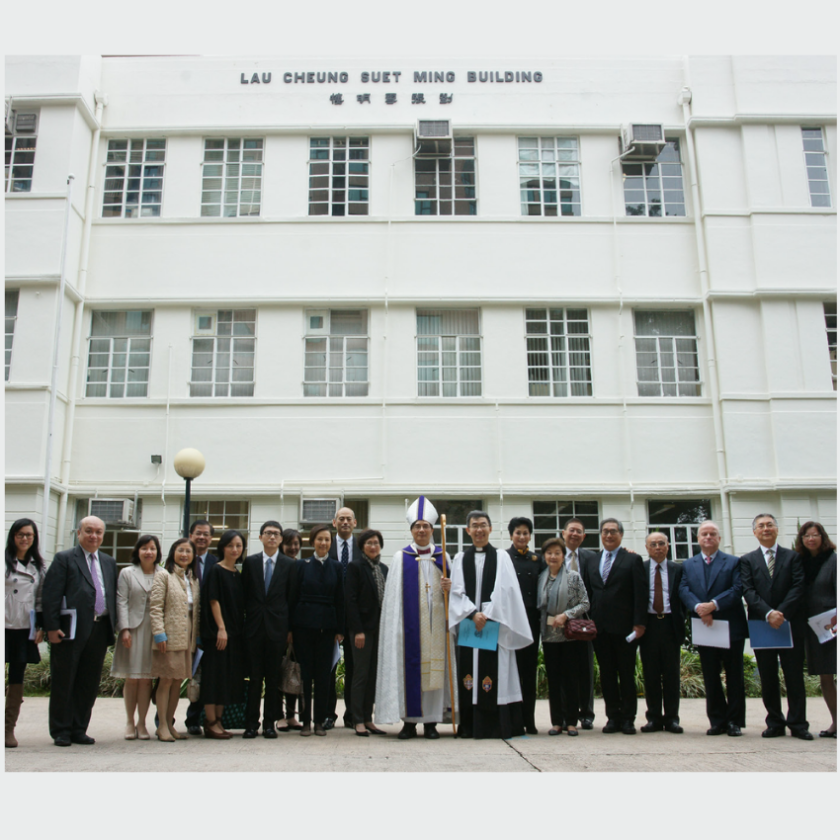
2016
2016
2018
2020s
2020
The Extension Building of the Main Building (Lau Cheung Suet Ming Building) was renamed the Chow Hau Leung and Li Shiu Ching Building.
2022
During the pandemic, the school held its 85th Anniversary Thanksgiving Service and School Concert on campus.
2025
The Introduction of the International Advanced Level (IAL) Curriculum
The school was approved by the Education Bureau to introduce a double-stream senior secondary curriculum, comprising the Hong Kong Diploma of Secondary Education (HKDSE) curriculum and the International Advanced Level (IAL) curriculum.
|
The stone, which I have laid, is not only a foundation for the future but a commemoration of the past and present. It commemorates, may I say, a marriage. Two lives of singular usefulness are to be wedded into a broader life of even greater usefulness. This stone is, as it were, the matrimonial alter before which Mr. Fairlea and Miss Victoria Home stand to solemnize their union before God and man; their mutual sacrifice of individual tradition to the call for joint service is exemplified in the surrender by both of their unmarried names. |
|
His Excellency the Governor, Sir Andrew Caldecott G.C.M.G., who laid the Foundation stone of Heep Yunn on 23 October, 1936 |